Envy Dental Cosmetic & Implant Clinic





A leading practice in Doncaster
5* Google ratings (+242 reviews)
Invisalign© Platinum provider
GDC registered practice
A leading practice in Doncaster
5* Google ratings (+242 reviews)
Invisalign© Platinum provider
GDC registered practice
A leading practice in Doncaster
5* Google ratings (+242 reviews)
Invisalign© Platinum provider
GDC registered practice
What is composite?
Dental composite is made from resin, which is skillfully moulded to create whatever tooth shape is desired. Being a paste-like substance, the material can be manipulated and is finally hardened via a special composite curing light. The result is a perfectly colour-matched filling that looks like the original tooth.
What happens during my filling procedure?
If the procedure requires a local anaesthetic (not all procedures do), we will first numb the area using a local anaesthetic. The tooth surface where the composite will be applied is thoroughly cleaned to remove any decay or plaque accumulation, as the composite needs a clean surface to bond to. Once the correct shade of composite has been selected by your dentist, the tooth is kept dry by surrounding it with cotton rolls or a special sheet (rubber dam), and then shaped by the dentist using special instruments.
The surface of the tooth is then etched with a special phosphoric-acid-based gel, which provides a better surface for the composite to adhere to. The composite is then applied to the etched tooth surface and exposed to a special light source (curing light), which causes the composite to harden and set. The composite is often applied to the tooth in several thin layers (1mm-2 mm) until the desired shape, shade, translucency and texture are achieved. The final step involves polishing and buffing the composite to give the desired final appearance.

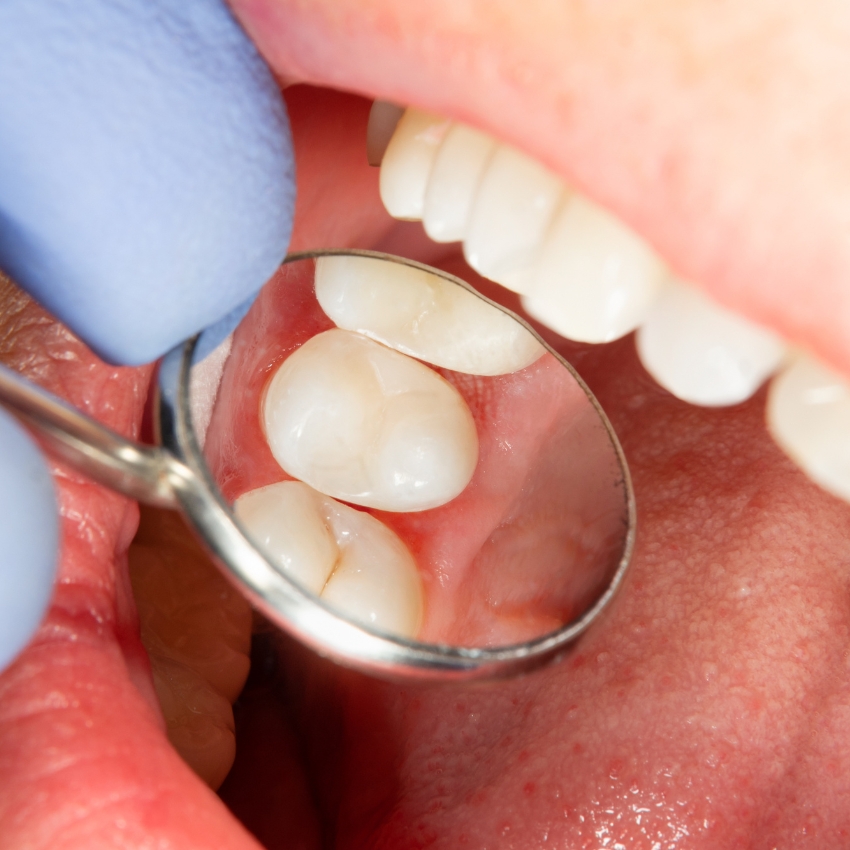
Composite white fillings are now seen as the filling material of choice for most dentists.
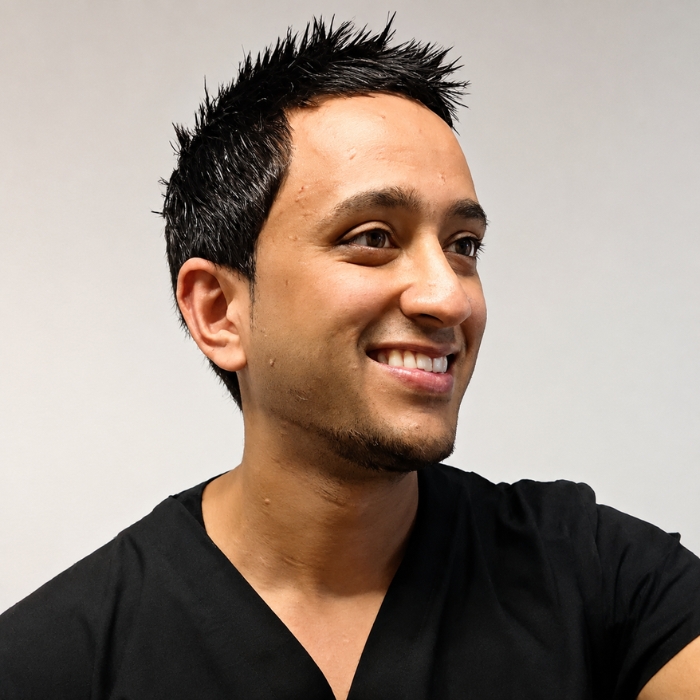
Dr Ihsan Khaliq is proud to offer a service to patients that relies on patient happiness, understanding, and giving quality treatment at all times. Having graduated from King's College, University of London, Dr Khaliq created…




After having a fall and losing/breaking 4 of my top front teeth, a friend recommended Ihsan to me. I am absolutely terrified of having dental work done. Ihsan and his wife, Ifzana, are amazing. I needed a lot of work done, a bridge consisting of 6 front teeth and 2 implants (I didn’t think I would be able to do it). Ihsan is very patient, reassuring and very qualified for the job. If you need any dental work done, be assured, he’s the man to do it. I’m a private person, and I don’t want to put photos on, but my new teeth look fantastic, better than my original teeth. Thank you, Ihsan and Ifzana.
I can’t say enough good things about Dr Khaliq and his dental nurse! They are both so lovely! They really listen to you as a patient and a person by remembering personal details, which is a really nice touch. You can tell they have your best interests at heart, and you feel genuinely well cared for. Plus, they now have a TV on the ceiling, which is absolutely amazing – I enjoyed watching Clarkson’s Farm while he performed a root canal completely pain-free!
Hands down the greatest dental experience I’ve had! After two other dentists told me a front tooth implant wasn’t possible due to a too-small gap, ten years later, Ihsan and Ifzana could. They offered a solution, carefully explaining the options. They are precise, knowledgeable, and genuinely warm and caring – which made me feel at ease straight away.
I live around 3 hours away. They were very flexible with appointments; they always kept me updated via text, and if I reached out, they would get back to me straight away.
My tooth implant looks and feels so natural, and I can now smile with confidence.
I didn’t initially think this procedure would be possible for me, and now, I am beyond happy with the results – thank you!!
I highly recommend them!
The greatest dentist in the area, 100%! I recently had Invisalign; they are all amazing, kind, genuine and professional! Perfectionists, and my teeth look amazing. My mum also had Invisalign here 15 years ago. So glad I stuck to a local dentist instead of online. Couldn’t recommend them enough
Absolutely delighted with the implant I have had fitted today; an annoying gap in my smile line is now filled. They have the latest equipment to ensure a perfect fit; they use the very latest technology along with their experience and gave me confidence that I had made the right choice of implant specialist to carry out the work. Yes, it’s probably more expensive than going off to Turkey, but I have peace of mind that should anything go wrong, I do not have far to travel. If anyone is thinking of having this procedure, let me assure you that it was a painless process. I’m so delighted with the result and can’t recommend them enough. Brilliant result, excellent service.
Was recommended by family to go for their dental services, and can I just say they are 100% worth it. Such a friendly, caring and honest service and I would recommend it to all my other family and friends. Thank you so much for all your help and advice.
Been going here for over 8 years now, and I wouldn’t go anywhere else. Ihsan is brilliant; he and his dental nurse are amazing people, very warm and welcoming. Been a pleasure knowing them.
First time I’ve had a good experience at a dentist. Great customer service and explanation prior to treatment commencing.
Amazingly helpful and accommodating, ensuring my Invisalign treatment went smoothly!
As someone who has been attending this practice for 11 years, I can wholeheartedly say they are the most outstanding doctors who only have your interests at heart. They are so friendly and welcoming; both dentists’ work is phenomenal, precise and thoughtful. Thank you for everything you do!
I can’t recommend Issan and Ifzana enough. Had a tooth that needed extracting, and after going to a different dentist, struggling to become numb from the anaesthetic and therefore not being able to have this done, today I went to them, and Issan kindly and gently encouraged me to let him have a go. After my last experience, I was nervous; their caring nature persuaded me, and he was able to remove the tooth pain-free and so quickly! Thank you both of you!
Fantastic, honest service, been a patient for over 6 years. They always explain the treatment and options in a clear and comfortable way. I could not recommend this practice more. They never tried to sell me unnecessary treatment. In fact, I’ve experienced the opposite. Makes you feel more like a friend than a patient.
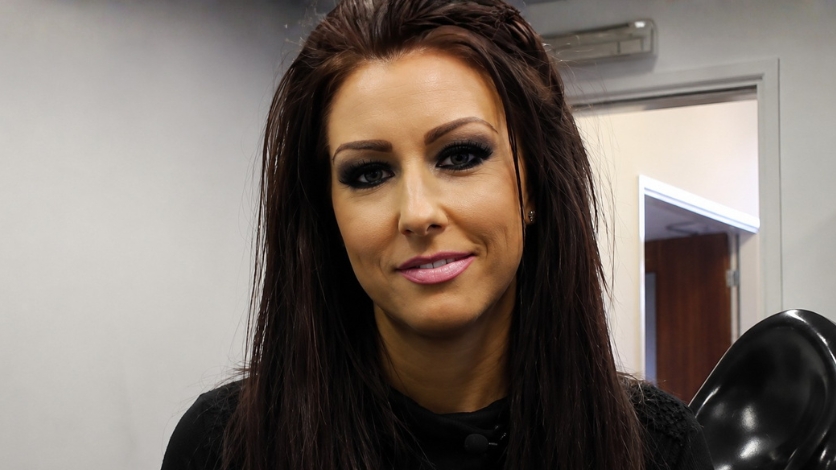


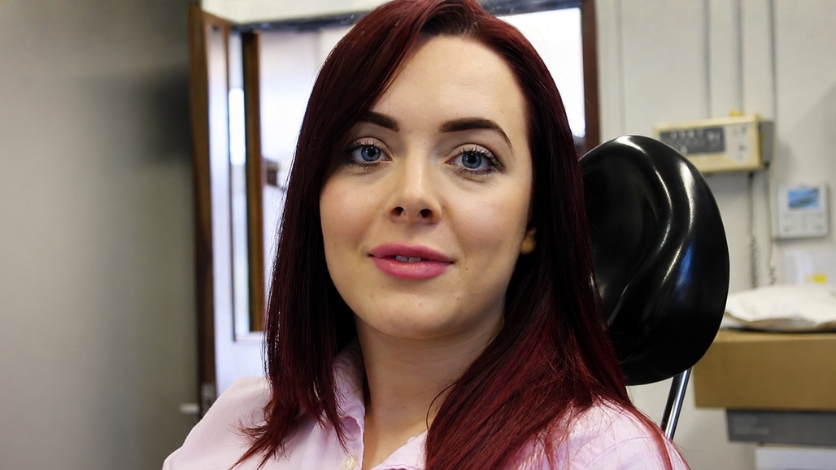
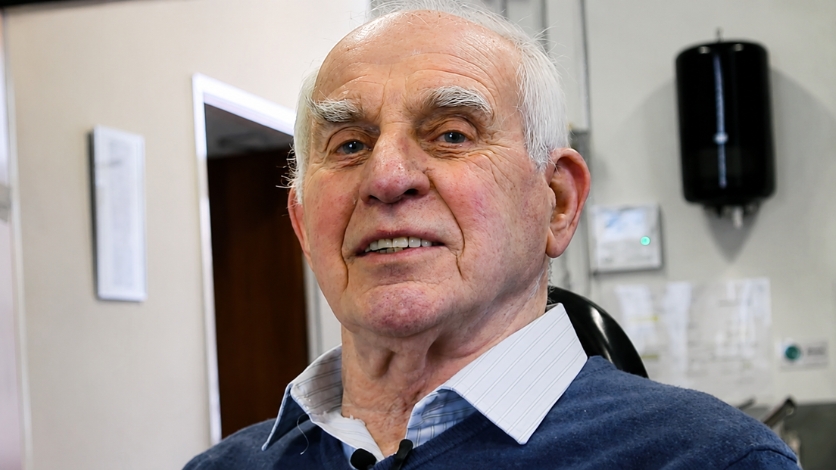
Hear directly from our patients as they share their experiences, treatment journeys and the difference exceptional dental care has made to their lives.
Watch now
Meet with our experienced dental team, discuss your goals, and receive a personalised treatment plan designed around your comfort and long-term oral health.
Book a consultation